
Bone Health, Demystified.
Clear, honest answers about your bones, your balance, and what you can do about them - written for women over 50, by the people who actually treat them.
Weight Lifting for Osteoporosis: Does It Really Work?
Weight lifting for osteoporosis builds strength and, supervised, modest spine density. Why a barbell is capped at your weakest angle, and the safer way to load.
Read more →
Osteoporosis Treatment Options: Medication vs. Exercise and Diet
Osteoporosis treatment options explained: medication changes bone chemistry, loading sends the signal, diet supplies materials. Why the answer is all three.
Read more →
What Is the Safest Osteoporosis Treatment With the Least Side Effects?
The safest osteoporosis treatment depends on your kidneys, teeth, stomach, and history. How each option ranks by side effects, plus the one layer with none.
Read more →
Comparing Osteoporosis Treatments: Which One Works Best?
Comparing osteoporosis treatments: bisphosphonates, Prolia, anabolics, HRT, osteogenic loading, and exercise on bone density, fracture risk, and side effects.
Read more →
What Happens If You Don't Treat Osteoporosis?
What happens if you don't treat osteoporosis? The trajectory of untreated bone loss, the fracture cascade, height loss, hip fracture, and what treat means.
Read more →
How Long Does It Take to Improve Bone Density?
How long does it take to improve bone density? The remodeling cycle, why scans are 12 to 24 months apart, what improves first, and what each year looks like.
Read more →
Should I Start Osteoporosis Medication Right After Diagnosis?
Should you start osteoporosis medication right after diagnosis? When it is warranted, when a second look is reasonable, and what to do in the first 30 days.
Read more →
Osteoporosis Treatment Success Stories: Real Results From Real People
Osteoporosis treatment success stories sorted by starting point: osteoporosis to osteopenia, osteopenia to normal, a high FRAX score, and a T-score of -4.
Read more →
Can You Reverse Osteoporosis Without Taking Medication?
Can you reverse osteoporosis without medication? What reverse means on a DEXA, why bone responds to load at any age, and when medication is the right call.
Read more →
Osteoporosis Medications: A Plain-English Guide for Women Over 50
Fosamax, Prolia, Reclast, Forteo, Evenity, Evista: what each osteoporosis medication actually does, how it's taken, and the one thing none of them do. A plain-English guide, no medical advice.
Read more →
Safe Exercises for Osteoporosis: What Helps, What to Modify, What to Avoid
The complete safe-exercise guide for women over 50 with osteoporosis or osteopenia: what actually builds bone, what protects you, which movements to modify, and the short list to avoid. Plain English, sourced.
Read more →
3 Austin Members Who Stopped Worrying About Their Bone Density
Nicole, Marjorie, and Bonnie each hit a DEXA milestone most people are told is impossible. All three started the same way: a free Bone Health Roadmap call.
Read more →
3 Georgetown Members Who Stopped Worrying About Their Bone Density
DeeDee got out of osteoporosis with a 19% spine increase. Jeaneen went from osteoporosis to osteopenia. It all started with a Bone Health Roadmap call in Georgetown.
Read more →
DEXA Scan in Austin: Where to Get One, How to Read It, and the One Rule That Makes Your Results Trustworthy
Where to get a DEXA bone density scan in Austin, how to actually read your T-score, what LSC means, and the single rule most people miss: always rescan on the same machine so you're comparing apples to apples.
Read more →
How Much Protein Do I Actually Need to Build Bone?
Why protein and amino acids like Fortagen and PerfectAmino are critical for rebuilding bone with osteopenia or osteoporosis - and how much you actually need.
Read more →
Years of Pain, Gone: Real Georgetown Stories and the Recovery Therapy Behind Them
You don't have to live around your pain. LIMFA is a non-invasive recovery therapy at OsteoStrong Georgetown that calms inflammation and supports your body's natural repair of irritated, worn tissue - so you get your movement, your sleep, and your life back. Here are real member stories, plus the science.
Read more →
Did the LIFTMOR-M Study Prove Barbells Beat Osteogenic Loading?
LIFTMOR-M is the one trial that put heavy barbell training head-to-head against an osteogenic-loading machine. Here's an honest evaluation of whether it proved what it's said to.
Read more →
Onero vs. OsteoStrong: Two Paths to Stronger Bones. Which One Fits You?
Onero is heavy barbell training with jumping; OsteoStrong is controlled, no-impact loading in about 15 minutes a week. Both build bone - here's how they compare on safety, evidence, and real-world results.
Read more →
Does Yoga Build Bone? What Dr. Fishman's Study Really Shows - and Where It Stops
Dr. Loren Fishman's research found that a 12-minute daily yoga routine produced no measurable gain in bone density over two years - the change was too small for a DEXA to call real. So the honest finding is 'no rebuilding,' not the reversal the headline promises. Here's what the study did and didn't show.
Read more →
What I Told a Room of Biohackers and Longevity Doctors About Bone Health
A keynote recap: why bone density is a longevity metric, why late screening is the real villain, and the simple framework behind staying independent for life.
Read more →
Does Walking Build Bone? Why It Works Until It Doesn't
Walking, running, yoga, Pilates, vibration plates, weight-bearing exercise - do any of them actually build bone? The honest answer is 'it depends on how conditioned you are,' and the reason is the same thing that gives astronauts osteoporosis: your body adapts.
Read more →
What Happens After Your First Year - and Why You Shouldn't Stop Now
It took 30 years to arrive at osteoporosis. You're one year into rebuilding. In year one the loss stops; year two is where the bigger gains come. Here's why now is the time to keep your foot on the gas.
Read more →
REMS Scans vs DEXA: Why We Still Recommend DEXA for Tracking Bone Density Over Time
REMS ultrasound bone scans promise no radiation and fast results, but new research raises serious questions about tracking real change over time. Here's what the 2026 Osteoporosis International study found and why DEXA remains the gold standard.
Read more →
Ozempic and Your Bones: What Every Woman Over 50 Should Know
GLP-1 drugs are reshaping weight loss, but the bone and muscle conversation is getting skipped. Here's what the research actually shows for postmenopausal women on Ozempic, Wegovy, Mounjaro, or Zepbound - and what you can do to protect your skeleton while you take them.
Read more →
OsteoStrong Doesn't Work… If You Don't Show Up
Does OsteoStrong work? Yes, for people who follow the system. Here is the honest truth about consistency, once-a-week osteogenic loading, bone density improvement, and why showing up matters more than intensity.
Read more →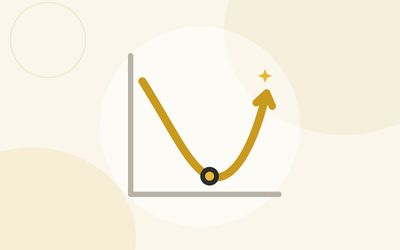
Reversing Osteoporosis: What Women Over 50 Actually Accomplish at OsteoStrong
Verified DEXA improvements from Austin and Georgetown members who moved out of the osteoporosis range. Real names, real numbers, real timelines. What's actually possible after 50.
Read more →
Spine Bone Density Gains After 50: What's Actually Possible
Real spine DEXA improvements from eleven Austin and Georgetown members, ranging from 2% to 20%. What drives spine gains, why they show up second, and what the timeline actually looks like.
Read more →
Fall Prevention That Actually Works: Real Balance Gains in Women Over 50
Balance and fall-prevention results from five verified Austin members, including two on-camera testimonials. Single-leg stance times, sit-to-stand scores, and the training most doctors still haven't heard of.
Read more →
The Day After Your Osteoporosis Diagnosis: A Roadmap for Women Over 50
Your doctor said osteoporosis. Now what? A practical 72-hour and 12-month roadmap, including what to ask your physician, what the numbers on your DEXA actually mean, and what women in Austin and Georgetown have accomplished.
Read more →
Hip Bone Density After 50: Eight Real Improvement Stories
Hip DEXA improvements from eight Austin and Georgetown members, ranging from 5.5% to 16%. Why the hip is the site that saves your life, and what moves its numbers.
Read more →
Femoral Neck Density: The Fracture Site That Matters Most
The femoral neck is the most common hip-fracture site in older women and the DEXA reading with the strongest clinical weight. Verified gains from seven Austin members, ranging from +4% to +16%.
Read more →
Reversing Height Loss After 50: Five Austin Members Who Got Taller
Height loss after menopause is a warning sign, not a sentence. Five Austin OsteoStrong members documented measured height gains of 1/4 inch to 1 inch through posture and spinal loading.
Read more →
Grip Strength: The Mortality Predictor Most Doctors Don't Measure
Grip strength is one of the single strongest predictors of all-cause mortality in adults over 50. Six Austin members improved their grip by 12 to 40 percent in 35 to 83 days. Here's why it matters and how it moved.
Read more →
Lowering Your FRAX Fracture Risk Without Medication
FRAX is the 10-year fracture-risk score most physicians use to drive medication decisions. Austin member Ruth watched hers drop from 57% to 24% - what moved it, how long it took, and what to understand about the number.
Read more →
How to Know Your Bone Training Is Actually Working - Before Your Next DEXA
If you're doing the work but can't tell whether it's paying off, you're not alone - DEXA only changes every 12 to 24 months. Here's the weekly number that tells you you're getting stronger now, and the Austin women who watched it climb.
Read more →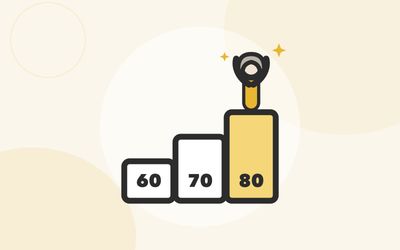
Starting OsteoStrong at 60, 70, or 80: Is It Too Late?
It is not too late. Women starting at 60, 70, and 80 at OsteoStrong Austin have documented measurable strength, balance, and bone density gains. Here's what the timeline actually looks like by decade.
Read more →
Why Real Strength Shows Up on the Dance Floor
The value of strength after 50 is not the number on a force gauge. It is the way you move through your life. Two Austin members - Rebecca and Deborah - on what actual strength feels like.
Read more →
What a 15-Minute OsteoStrong Session Actually Feels Like
You walk in. You're done in 15 minutes. No sweating, no locker rooms, no workout. Here's what actually happens on the floor - from intake to coach-guided sessions - and what Austin members say about their first visits.
Read more →
The Science of Osteogenic Loading, Explained
What is osteogenic loading, and why does it actually rebuild bone when other exercise doesn't? Here's the research in plain English.
Read more →
Can You Really Rebuild Bone After 60?
A common myth says bone loss is inevitable after menopause. The research says otherwise - and so do thousands of women in our centers. Here's what's actually possible.
Read more →
Osteopenia vs. Osteoporosis: What's the Real Difference?
Both words sound scary. One is a diagnosis, one is a warning. Here's how to tell them apart - and what to do if you have either.
Read more →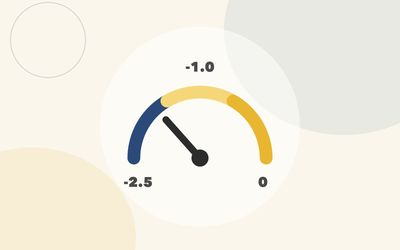
Understanding Your DEXA T-Score: What the Numbers Actually Mean
Your DEXA scan came back with cryptic numbers and a scary diagnosis. Here's a plain-English breakdown of what your T-score really means - and what you can do about it.
Read more →Worried about your bones? Do this one thing today.
Click the button below and book your free 15-minute Bone Health Roadmap Call. We’ll answer your questions, review your DEXA if you have one, and tell you whether OsteoStrong is the right fit. No pressure. No gym clothes. Just a clear next step.
Not ready to call yet? Download our free Top 10 Questions guide →