
Understanding Your Results
T-scores, DEXA reports, FRAX percentages, REMS scans: your results shouldn't need a translator. These guides walk you through what the numbers mean, how to track them over time, and which ones actually matter.
How Often Do You Need DEXA Scans to Monitor Treatment?
How often you need DEXA scans to monitor osteoporosis treatment: the 24-month standard, when 12 months is justified, the same-machine rule, and what LSC means.
Read more →
DEXA Scan Results: What Do the Numbers Mean for Treatment?
DEXA scan results explained for treatment: T-score by site, Z-score, FRAX, why the lowest site rules, and how to set a benchmark for your next scan.
Read more →
DEXA Scan in Austin: Where to Get One, How to Read It, and the One Rule That Makes Your Results Trustworthy
Where to get a DEXA bone density scan in Austin, how to actually read your T-score, what LSC means, and the single rule most people miss: always rescan on the same machine so you're comparing apples to apples.
Read more →
REMS Scans vs DEXA: Why We Still Recommend DEXA for Tracking Bone Density Over Time
REMS ultrasound bone scans promise no radiation and fast results, but new research raises serious questions about tracking real change over time. Here's what the 2026 Osteoporosis International study found and why DEXA remains the gold standard.
Read more →
Osteopenia vs. Osteoporosis: What's the Real Difference?
Both words sound scary. One is a diagnosis, one is a warning. Here's how to tell them apart - and what to do if you have either.
Read more →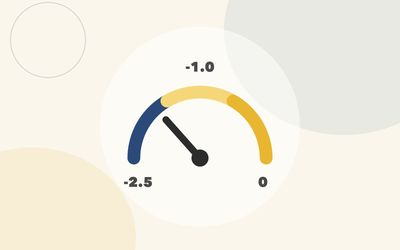
Understanding Your DEXA T-Score: What the Numbers Actually Mean
Your DEXA scan came back with cryptic numbers and a scary diagnosis. Here's a plain-English breakdown of what your T-score really means - and what you can do about it.
Read more →Worried about your bones? Do this one thing today.
Click the button below and book your free 15-minute Bone Health Roadmap Call. We’ll answer your questions, review your DEXA if you have one, and tell you whether OsteoStrong is the right fit. No pressure. No gym clothes. Just a clear next step.
Not ready to call yet? Download our free Top 10 Questions guide →