The things you should never do if you have osteoporosis are mostly habits, not exercises: keep smoking, drink heavily, crash diet, skip your follow-up DEXA, stop Prolia without a physician's exit plan, shrug off a first fracture, climb a ladder alone, walk on ice or wet tile without traction, leave a dizziness-causing medication unreviewed, and "wait and see" without an active plan. Each one either speeds bone loss, raises your odds of a fall, or hides the problem until a fracture reveals it. The positive version of the list is a plan that loads bone, feeds it, trains balance, and re-scans on schedule, which is where OsteoStrong Austin and Georgetown fits alongside your physician.
This list is about habits, not exercises
Most "never do this with osteoporosis" articles are really lists of movements: crunches, toe touches, twisting under load. Those matter, and we cover them one by one in which movements to avoid with osteoporosis. This article is the other list. It is about the decisions and habits that quietly decide whether a low DEXA turns into a fracture, and most of them have nothing to do with exercise.
We see the consequences of this list every week at our Austin and Georgetown centers, usually in the form of someone saying "I wish I had known." So here it is, numbered, with the reason behind each one and what to do instead.
The 10 things you should never do if you have osteoporosis
1. Never keep smoking
Smoking is on every osteoporosis risk list for a reason, including the FRAX fracture-risk calculator your physician uses. It lowers estrogen activity, starves bone of blood flow, and slows the cells that build new bone. It also slows fracture healing if the worst happens. If you smoke, quitting is the single biggest lifestyle lever on this page, and your physician can help.
2. Never drink heavily
FRAX counts three or more drinks a day as a fracture risk factor, and the reason is double. Alcohol interferes with calcium absorption and bone formation, and it raises fall risk the same evening you drink it. A glass of wine with dinner is a conversation with your physician; a nightly habit of several drinks is a bone problem and a balance problem at once.
3. Never crash diet or under-eat protein
Rapid weight loss pulls minerals out of bone along with fat, and very low-calorie diets almost always cut protein, the collagen scaffold that bone mineral attaches to. Women who lose weight quickly after 50, whether by strict dieting or by medication, often lose bone with it (we cover the GLP-1 version of this in Ozempic and your bones). If you need to lose weight, do it slowly, keep protein high, and keep loading your skeleton so it has a reason to hold on to what it has. How much protein you actually need is a shorter answer than most people expect.
4. Never skip your follow-up DEXA because you feel fine
Bone loss has no symptoms. You will feel exactly the same at a T-score of -1.5 as at -2.8, right up until something breaks. A follow-up DEXA 12 to 24 months after the last one is the only way to know whether your plan is working, and Medicare covers a screening scan every 24 months for eligible people. We encourage every member to re-scan regardless of how they feel, on the same machine when possible, because a good feeling is not data. How often you need a DEXA covers the intervals.
5. Never stop Prolia without your physician's exit plan
This one is a medical rule, not a lifestyle tip. Denosumab (Prolia) is given every six months, and stopping it without a follow-on medication is well documented to cause rapid rebound bone loss and, in some patients, multiple vertebral fractures. If you are on Prolia and want to change anything, including because your DEXA improved, the conversation happens with your prescribing physician before a dose is missed, not after. The same goes for every other bone medication: starting, stopping, or changing it is a decision that belongs to you and your physician. Our plain-English medications guide explains what each one does.
6. Never shrug off a first fracture
A wrist broken in a fall from standing height, a rib cracked by a hard cough, a vertebra that compressed while lifting a suitcase: these are fragility fractures, and a first one is the strongest predictor of a second. Too many women are treated for the break and never asked why a fall from standing height broke a bone at all. If you have had one, ask for a DEXA and a FRAX score, and treat the fracture as the start of a bone plan, not a bad-luck story.
7. Never climb a ladder alone
Falls from height are the falls that end independence, and a ladder is the easiest way to have one. Have someone hold it, or better, hand the task off. Holiday lights, gutters, the top shelf in the garage: none of them are worth a hip fracture. Keep a sturdy step stool with a handle for indoor reaching and stop there.
8. Never walk on ice or wet tile without traction
Central Texas does not get much ice, which is exactly why an ice storm here is dangerous: nobody owns the right shoes and nobody has practice. When it freezes, stay in until it melts, or wear traction cleats over your shoes. The year-round version is wet tile: pool decks, bathroom floors, the entry at the grocery store on a rainy day. Slow down, hold the rail, and put a non-slip mat where you step out of the shower.
9. Never leave a dizziness-causing medication unreviewed
Blood pressure medications, sleep aids, some antidepressants, antihistamines, and muscle relaxants can all cause lightheadedness, especially when you stand up. Dizziness is a fall waiting for a floor. Ask your physician or pharmacist to review everything you take, prescription and over the counter, once a year with fall risk in mind. Do not stop anything on your own; ask for the review.
10. Never "wait and see" without an active plan
"Come back in two years and we will check again" is the most common instruction women hear after an osteopenia result. Watching is fine. Passive watching is not, because bone does not hold still while you wait. Active waiting means loading bone, feeding it, training balance, and having the next scan on the calendar. We go deeper on when waiting is reasonable and when it is risky in is delaying osteoporosis treatment safe? The short version: the plan starts now, whether or not medication is part of it.
Why "wait and see" is the most expensive item on the list
Every other item on this list is a single decision. Waiting is a decision you make every day without noticing, and it compounds. Bonnie's DEXA history is what that looks like from the inside.
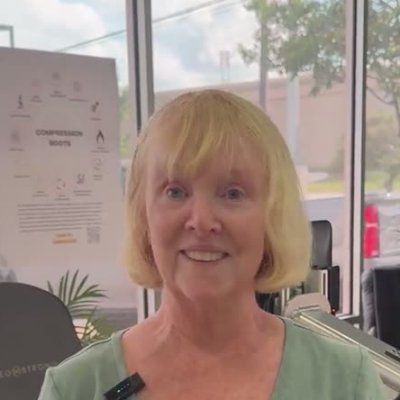
Bonnie: years of worse scans, then every site improved
Every site improved on follow-up DEXA after years of decline, femoral neck +8.7%
Bonnie's scan history was the "wait and see" story in miniature: each DEXA came back a little worse than the last, and she had stopped expecting anything else. Three years of weekly sessions changed the direction.
"Every time I've had it, it's always gotten worse. I couldn't believe it. Everything improved."
Verbatim from Bonnie's on-camera testimonial. Full case study.
The thing that changed was not a new scan. It was a weekly habit that gave her skeleton a reason to rebuild. The scans had been telling her the truth for years; she finally had a plan that could answer them.
What to do instead: the short positive list
The ten items above are really five habits in disguise. Here is the version you can tape to the fridge:
- Load your bones above the threshold they respond to, once a week, with support.
- Feed them: protein at every meal, calcium from food first (1,200 mg a day for women 51 and older, per the NIH Office of Dietary Supplements), and vitamin D checked and corrected.
- Train your balance and reaction time, because most fractures start with a fall.
- Re-scan on schedule and keep the report.
- Keep your physician in the loop on every medication, especially anything that affects bone or balance.
The Bone Health Checklist walks through all five. Our fall prevention and balance training page covers the third in detail, and what happens if you don't treat osteoporosis shows the trajectory the list is designed to interrupt.
What this looks like at OsteoStrong
Items 1 and 3 on the positive list are what a weekly OsteoStrong session is built for. You spend about 15 minutes on four devices, in street clothes, with a coach beside you the whole time. On each device you push or pull from your strongest joint angle, which lets you produce the kind of force bone responds to (osteogenic loading research points to loads above roughly 4.2 times body weight) with no impact and no bending under load. Your force output is measured every session, so the number you watch between DEXAs is a real one. Balance plate work in the same visit trains the reflexes that catch you.
Among members who follow the weekly protocol and complete a follow-up DEXA, 8 out of 10 see measurable improvement; consistency and starting point are the biggest factors. Member DEXAs are read by independent imaging providers, not by us. OsteoStrong is a non-drug layer that sits alongside your physician's plan, and more than 100 Austin-area physicians refer patients to us. If you want the whole picture of how the pieces fit, start with our drug-free osteoporosis treatment alternative in Austin.
The bottom line
The things you should never do if you have osteoporosis are mostly quiet: a cigarette, a third drink, a skipped scan, a ladder, a "let's wait." None of them feel dangerous on the day. All of them raise the odds that your first sign of trouble is a fracture. Swap the list for the five habits above, keep your physician in the loop on every medication, and give your skeleton a reason to get stronger instead of a reason to keep declining.
Want a plan instead of a wait? Book a free Bone Health Roadmap Call, bring your DEXA, and we will walk through it with you.
Full case studies referenced in this article
Browse the case studies hub or read the verification standard behind every number above.
This article is for general education and is not medical advice. Talk to your own doctor before starting, stopping, or changing any medication, supplement, or exercise program, especially if you have a diagnosis of osteopenia or osteoporosis.
Your simple plan from here
- Book your free Bone Health Call. 15 minutes, phone or Zoom, no pressure.
- Come in for a guided first session. A coach walks you through all four devices.
- Track your strength week after week. 15 minutes, once a week. The numbers rise.
Frequently asked questions
What should you never do if you have osteoporosis?
The things you should never do if you have osteoporosis are mostly habits: keep smoking, drink heavily, crash diet or under-eat protein, skip your follow-up DEXA, stop Prolia without your physician's exit plan, shrug off a first fracture, climb a ladder alone, walk on ice or wet tile without traction, leave a dizziness-causing medication unreviewed, or wait and see without an active plan. Each one speeds bone loss, raises fall risk, or hides the problem until a fracture reveals it.
Can I drink alcohol if I have osteoporosis?
Moderate drinking is a conversation with your physician; heavy drinking is a bone problem and a balance problem at once. The FRAX fracture-risk calculator counts three or more drinks a day as a risk factor because alcohol interferes with calcium absorption and bone formation, and it raises your odds of a fall the same evening. If you drink most nights, cutting back is one of the larger lifestyle levers you have.
Is it dangerous to stop taking Prolia?
Stopping denosumab (Prolia) without a follow-on medication is well documented to cause rapid rebound bone loss, and multiple vertebral fractures have been reported in patients who discontinued without a plan. If you are on Prolia and want to change anything, including because your DEXA improved, talk to your prescribing physician before a dose is missed. Every medication decision belongs to you and your physician.
Should I skip my follow-up DEXA if I feel fine?
No. Bone loss has no symptoms, so feeling fine tells you nothing about your T-score. A follow-up DEXA 12 to 24 months after the last one, on the same machine when possible, is the only way to know whether your plan is working. Medicare covers a screening DEXA every 24 months for eligible people. We encourage every member to re-scan regardless of how they feel.
Can you still climb a ladder with osteoporosis?
Falls from height are the falls most likely to end independence, and a ladder is the easiest way to have one. If a job needs a ladder, have someone hold it or hand the job off entirely. For indoor reaching, use a sturdy step stool with a handle and stop there. It is a small change in habit that removes one of the highest-consequence risks on the list.
Is waiting to treat osteoporosis a bad idea?
Watching is fine; passive watching is not, because bone does not hold still while you wait. Active waiting means loading bone above its adaptation threshold, eating enough protein, correcting vitamin D, training balance, and having the next scan on the calendar. Read is delaying osteoporosis treatment safe? for when a physician may reasonably wait and when waiting is risky.