To cope emotionally with an osteoporosis diagnosis, start by naming what you are actually feeling: usually fear of falling, a sense that your body has let you down, and a quiet guilt that you somehow caused it. Those feelings are real, and none of them is the whole truth. What steadies most women is a concrete plan they can act on this week, a number they can watch move, people who understand, and permission to keep living a full life while the plan does its work. Osteoporosis is common, measurable, and responsive to the right input at any age. At OsteoStrong Austin and Georgetown, that plan comes with a coach beside you and a scoreboard you can see every week.
The day the word lands
The report probably arrived without ceremony. A patient-portal notification, a T-score with a minus sign, and one word you had only ever associated with someone else's grandmother.
Then the questions started. Can I still travel? Should I stop carrying the groceries? Is this where things start getting taken away?
If that is where you are, take a breath. This is not the medical roadmap; we wrote that separately, and you can read what to do the day after your osteoporosis diagnosis whenever you are ready. This article is about the part nobody hands you a pamphlet for: how to cope emotionally with an osteoporosis diagnosis so the fear does not make your decisions for you.
Why an osteoporosis diagnosis hits harder than the numbers suggest
On paper, osteoporosis is a measurement. Bone density below a line the World Health Organization drew at a T-score of -2.5.
But it does not feel like a measurement. It feels like three things at once.
It is invisible. You cannot see it, feel it, or point to it. That makes it hard to fight and easy to catastrophize.
It touches identity. Many of the women who walk into our Austin and Georgetown centers have spent decades being the strong one: the one who moved the furniture, carried the toddler, drove through the night. A word that means "fragile" lands on that identity like a bruise.
It arrives with a fear that changes behavior. Fear of falling is the most common emotional response, and it is a sneaky one, because the natural reaction (move less, grip the railing with both hands) is the exact behavior that weakens muscle and balance and makes a fall more likely. The Bone Health & Osteoporosis Foundation reports that about 1 in 2 women over 50 will break a bone because of osteoporosis. It is also a number you can act on, and acting is the antidote to being afraid.
The "it's my fault" trap
Somewhere in the first week, most women run the audit. Too much coffee. Not enough milk in my 30s. I should have lifted weights.
Here is what we tell every member who runs that audit out loud: bone density is shaped by genetics, by the estrogen drop at menopause, by medications you may have needed (steroids, some cancer treatments, some thyroid and acid-reflux drugs), by illness, and by decades of ordinary life that never loaded your skeleton above the threshold it needs to adapt. Nobody told you about that threshold.
Guilt is only useful when it points at something you can change. It cannot change 1996. It can absolutely change next Tuesday, and that is where we would rather you spend it.
How do you cope emotionally with an osteoporosis diagnosis?
After years of sitting across the table from newly diagnosed women, we have watched the same four things steady almost everyone.
1. Get a plan you can act on this week
Dread grows in the gap between "something is wrong" and "here is what I am doing about it." Close the gap fast, whether that means a medication decision with your physician, a non-drug plan, or both. Our page on drug-free osteoporosis treatment alternatives in Austin lays out what the non-drug side of a complete plan includes. The point is not which plan. The point is that a plan turns a diagnosis from a verdict into a project.
2. Find a number you can watch move
DEXA scans are 12 to 24 months apart, and waiting that long for feedback is emotionally brutal. You need something that moves sooner, and strength and balance do. At OsteoStrong, force output is measured on every device at every session, so you have a number that climbs week over week, long before your next scan. We wrote about how to know your bone training is working before your next DEXA because that weekly evidence is, for many members, the biggest emotional relief in the whole process.
3. Do not do it alone
Osteoporosis is a solitary diagnosis in a way a broken arm is not. Nobody signs your cast. Community fixes that. Our members compare T-scores in the lobby the way other people talk about the weather, and the woman a year ahead of you who says "mine came back better" does something no article can.
4. Have someone beside you
Fear of movement drops when a trained person is at your side. Every OsteoStrong session is coached: someone sets you up, watches your position, and adjusts the load so you are always in a safe, supported range. That is the difference between "I hope I am doing this right" and "I know I am."
What about the fear of falling?
This deserves its own section, because it quietly shrinks lives. Women stop hiking with friends, skip the trip to the grandkids, stay home when it rains.
Two facts help. The CDC reports that about 1 in 3 adults over 65 falls each year, so falls are a population problem, not a personal failing. And the things that prevent falls (leg strength, reaction time, single-leg balance) are trainable at any age. Our fall prevention and balance training in Austin page explains how, and fall prevention that actually works covers the research.
The emotional shift usually comes after the first near-miss you recover from. The foot catches, the body corrects, and you realize your reflexes are on your side again. That moment rewires the fear faster than any reassurance can.
What this looks like at OsteoStrong
The mechanism is simple: bone adapts to load above roughly 4.2 times body weight, which is why walking rarely moves a DEXA and why our four devices are built to reach that load safely, in street clothes, with no impact, in about 15 minutes once a week. You can read how OsteoStrong works for the details. The emotional side is better told by the members who lived it.
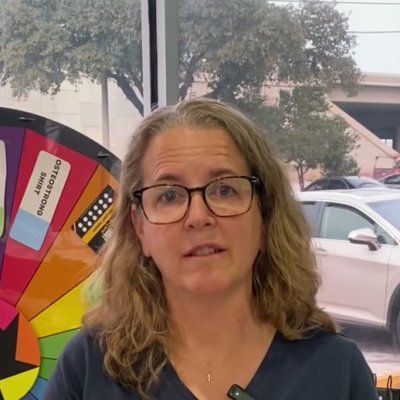
Kim: from "I didn't know what to do" to confident on her feet
Stronger and more confident in her balance after a year of weekly sessions
Kim had lived with low DEXA results for years and no clear plan from anyone. That waiting-room feeling is the emotional trap this article is about. A plan and a weekly number changed it.
"I have been here for about a year now and I have felt stronger and more confident in my balance and strength."
Verbatim from Kim's on-camera testimonial. Full case study.
Deborah: the decade of "weaker, weaker, weaker" reversed
Reversed a decade of feeling weaker every year, after just over two years of weekly sessions
Deborah's fear was not a scan. It was the slow slide she could feel in her own hands and legs, and the story that this is simply what aging looks like. She refused that story.
"Before I started coming here, I felt like I was getting weaker, weaker, weaker. Now I feel like I'm getting stronger, stronger, stronger."
Verbatim from Deborah's on-camera testimonial. Full case study.
Beverly: a cancer survivor who catches herself now
Strength, balance, and grip up; caught herself in several near-falls
Beverly had already beaten cancer when she was told she had osteopenia. She started in August 2024 and committed. The near-misses she recovered from are exactly the moments that dissolve fear.
"My strength has increased, balance has increased. I've almost fallen several times and caught myself. My grip has improved too."
Verbatim from Beverly's on-camera testimonial. Full case study.
Marjorie, another Austin member, spent 15 years in osteopenia doing everything she was told before her DEXA came back normal. Her story is the one we hand to anyone who believes they have already tried everything.
Across our members, 8 out of 10 who follow the weekly protocol and complete a follow-up DEXA see measurable improvement. Consistency and starting point are the two factors that matter most, and both are yours to influence.
Talking to family, and knowing when to ask for more support
Give your family a script
Adult children tend to respond in one of two unhelpful ways: they panic and treat you like glass, or they shrug because you "look fine." Tell them three things: what the diagnosis is (bone density below a threshold, common, measurable), what you are doing about it in one sentence, and what you need from them (usually: stop hovering, start asking how the numbers are going). Families relax the moment they hear the word "plan." If one of them wants to come watch a session, bring them.
When to reach out
Some sadness after a diagnosis is normal. If the fear is keeping you home, if you have stopped doing things you love, if sleep or appetite have changed for more than a couple of weeks, tell your physician. That is information they need, and many people benefit from a few conversations with a counselor. The Bone Health & Osteoporosis Foundation also hosts support communities, and hearing from other women at the same stage can be steadying in a way facts alone are not.
If the practical side feels overwhelming, the bone health checklist turns the next few months into a short list you can actually finish.
The bottom line
An osteoporosis diagnosis is a measurement, not a verdict, and the feelings that come with it are real but not permanent. What replaces fear is a plan, a number you can watch, people who understand, and a coach beside you while your body proves it can still adapt. You do not have to feel brave first. Take one step, and the confidence follows the evidence.
Want to talk it through with someone who has heard it all before? Book a free Bone Health Roadmap Call, bring your DEXA and every worry on the list, and we will walk through it with you.
Full case studies referenced in this article
- Kim: stronger and more confident in her balance after a year
- Deborah: from weaker every year to stronger every year
- Beverly: cancer survivor with osteopenia, catching herself now
- Marjorie: normal bone density after 15 years of osteopenia
Browse the full case studies hub or read the verification standard behind every story above.
This article is for general education and is not medical advice. Talk to your own doctor before starting, stopping, or changing any medication, supplement, or exercise program, especially if you have a diagnosis of osteopenia or osteoporosis.
Your simple plan from here
- Book your free Bone Health Call. 15 minutes, phone or Zoom, no pressure.
- Come in for a guided first session. A coach walks you through all four devices.
- Track your strength week after week. 15 minutes, once a week. The numbers rise.
Frequently asked questions
Is it normal to feel depressed after an osteoporosis diagnosis?
Yes. Sadness, anxiety, and a sense of loss are common in the weeks after a diagnosis, partly because osteoporosis is invisible and partly because it touches your identity as a capable, independent person. If low mood, poor sleep, or withdrawing from activities lasts more than a couple of weeks, tell your physician. Talking to a counselor who works with chronic health conditions helps many women, and it is a sign of good judgment, not weakness.
How do I cope emotionally with an osteoporosis diagnosis while I wait for my next DEXA?
Find a number that moves sooner than a scan. DEXA follow-ups are usually 12 to 24 months apart, which is a long time to wait for feedback. Strength and balance change in weeks. At OsteoStrong, force output is measured at every session, so you can watch a number climb week over week. That weekly evidence is, for many members, the single biggest emotional relief of the whole process.
Is osteoporosis my fault?
No. Bone density is shaped by genetics, the estrogen drop at menopause, medications you may have needed, illness, and the simple fact that ordinary daily life rarely loads the skeleton hard enough to trigger adaptation. Almost nobody is told about that threshold. Guilt is only useful when it points at something you can change, and you cannot change your 30s. You can change what you do this month.
How do I stop being afraid of falling with osteoporosis?
Fear of falling shrinks lives, and the natural response (move less, hold on tighter) actually weakens the muscles and reflexes that prevent falls. The reliable antidote is training the things that catch you: leg strength, reaction time, and single-leg balance, all of which are trainable at any age. Most members say the fear eased after the first near-miss they recovered from, when they felt their own reflexes work. See our fall prevention and balance training page.
Should I tell my family about my osteoporosis diagnosis?
Yes, and give them a script so they do not panic or shrug. Tell them three things: what the diagnosis is (bone density below a threshold; common; measurable), what you are doing about it in one sentence, and what you need from them, which is usually to stop hovering and start asking how your numbers are going. Families relax when they hear the word plan. If a spouse or daughter wants to see a session, bring them.
Can I still live a full life with osteoporosis?
Yes. Osteoporosis is a measurement of bone density, not a verdict on your future, and bone responds to the right mechanical signal at any age. Among OsteoStrong members who follow the weekly protocol and complete a follow-up DEXA, 8 out of 10 see measurable improvement, with consistency and starting point as the two biggest factors. Members in their 60s, 70s, and 80s travel, garden, dance, and lift grandchildren while their plan does its work.